
Are Your Period Products Harming Your Hormones? The 80/20 Method for a Cleaner, Low-Toxin Cycle
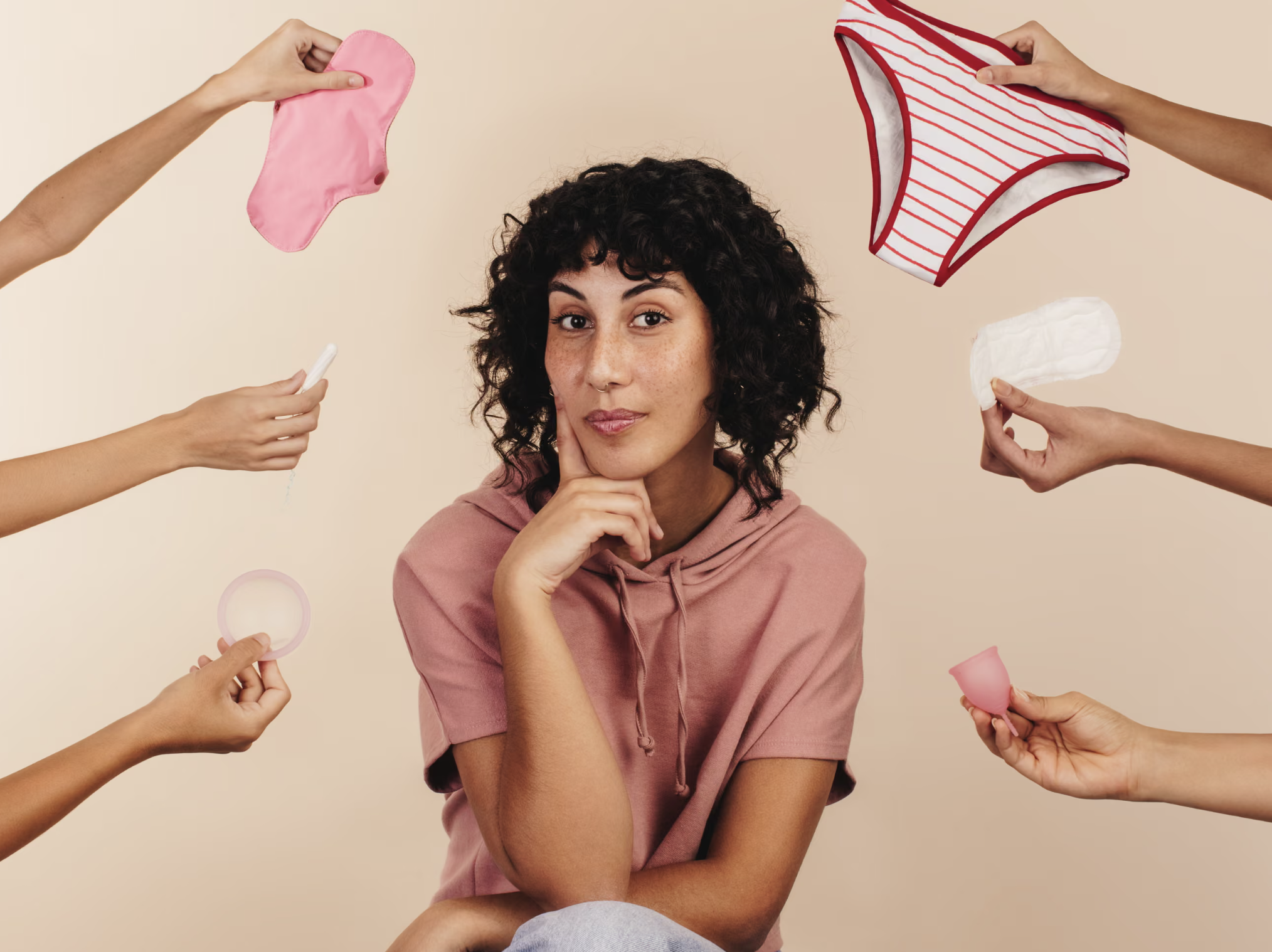
Let’s be honest: navigating period products in 2025 feels like walking into a Whole Foods that also sells car parts.
There are too many options, too many opinions, and way too many brands claiming to be “non-toxic,” “doctor-loved,” or “recommended by your womb itself.”
But here’s the truth I’ll always give you straight:
What you do on repeat matters.
And your menstrual cycle?
Oh girl… that’s the definition of repeat.
So let’s clean it up — in a realistic, doable, 80/20 way.
Because the goal isn’t perfection.
It’s reducing your exposure in the places that matter most, while still choosing products that work, feel good, and don’t interrupt your life.
And since this isn’t Instagram, we’re talking without filters today. No marketing spin, no “clean-washed” claims — just the truth about what actually touches your body every month.
Photograph: JLco/Julia Amaral/Getty Images.
Why the 80/20 Rule Applies to Your Cycle
Here’s the deal:
You bleed every month. You use the same products every month.
And your private parts?
She is one of the most absorbent tissues in your entire body.
So even though you’re only using these products a few days per month, the cumulative exposure adds up — especially if those products contain:
synthetic fragrances
PFAS (“forever chemicals”)
bleaches
questionable gels
plastics that rub, irritate, and disrupt your microbiome
And no, this isn’t fear-mongering. It’s facts.
The 80/20 Rule for Your Period: A Realistic Guide to Cleaner, Low-Toxin Menstrual Products
Use cleaner products most of the time (hello, 80%). Give yourself grace when you can’t (that’s your 20%). This is what builds long-term adherence — and lowers stress, cortisol, and self-judgment.
We can’t be perfect, and we shouldn’t try to be. Aim to be just 1% better every day, with no pressure and plenty of joy along the way.
If you’re traveling, forget your cup, start unexpectedly, or Target is out of your favorite brand… I promise it’s not the end of the world. We’re going for consistency, not anxiety.
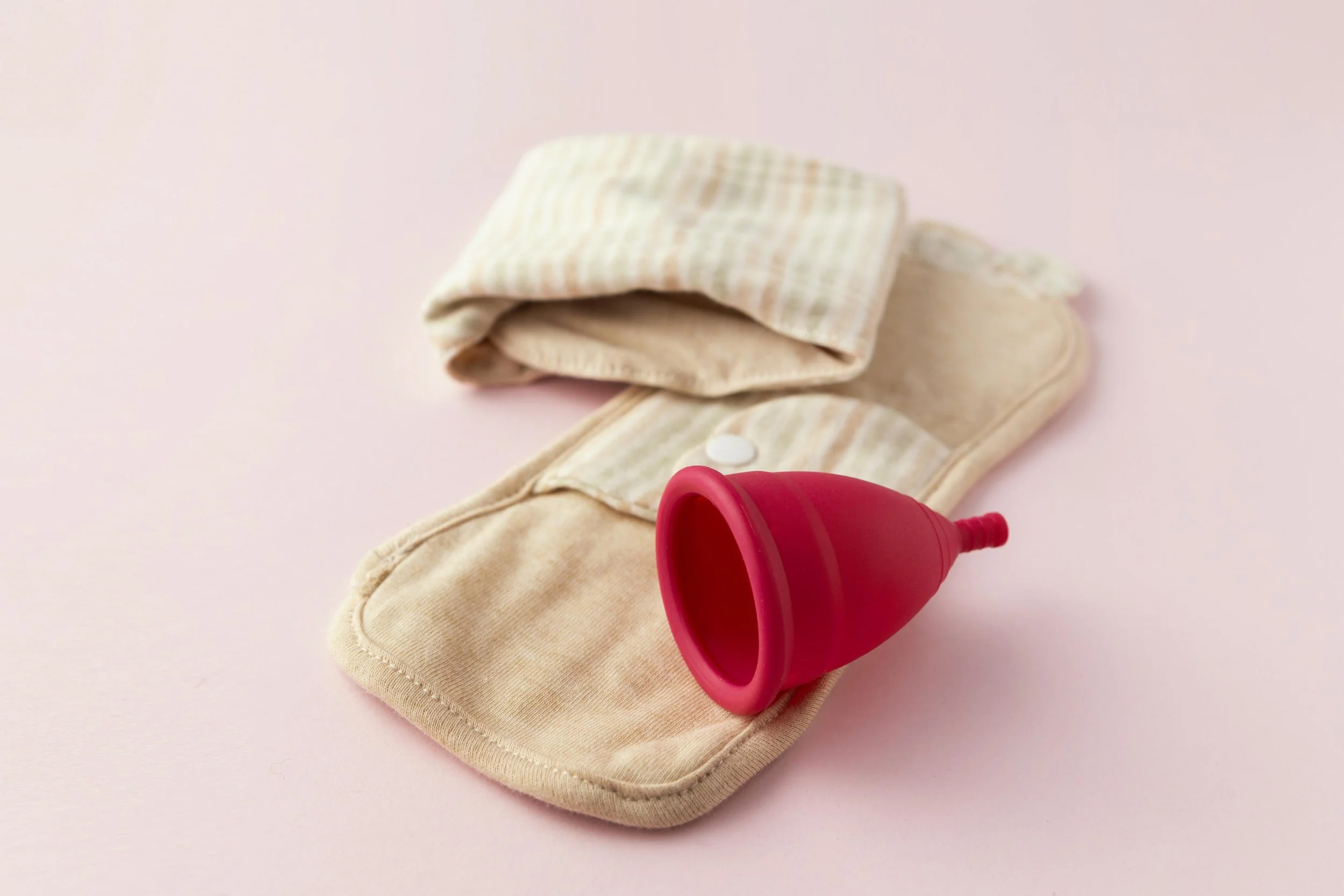
Menstrual Cups: The MVP of Low-Toxin Periods
Let’s start with the diva of the Diva Cup (my fav at this point).
This is why I love and recommend them (this is not sponsored btw!):
It’s the most trusted reusable period care product since 2003.
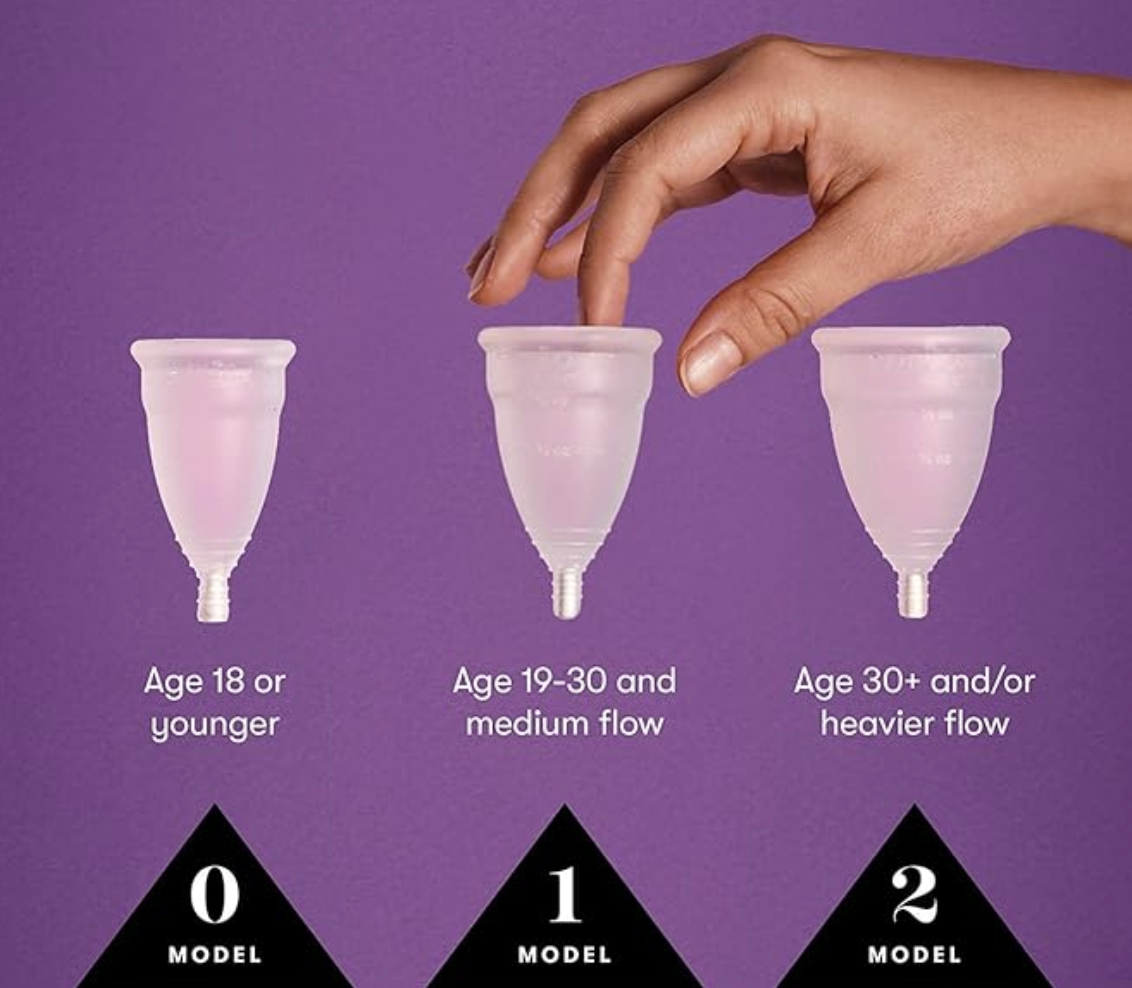
Flexible 100% medical-grade silicone folds for easy insertion
Available in three different sizes for slim, medium, and large for wider vaginal canals.
Safe for up to 12 hours of continuous wear
Visible flow lines to keep track of your period
Leak-resistant air holes create a seal to secure the cup in place
Easy to grip for hassle-free removal!
A little disclaimer here: if you tried using a menstrual cup and couldn’t get used to it — or your body simply said “nope” — there is absolutely nothing wrong with you. Every woman’s anatomy is different, and sometimes it’s just about finding the right size, shape, or firmness… and sometimes it’s simply about preference.
We have more options today than ever, but we still need better research, more personalization, and far more variety. So if a cup doesn’t work for you (even after trying a different fit), that’s completely valid — not a failure. Your comfort comes first, always.
And yes… if men also menstruated, this probably wouldn’t still be a problem. That’s why it’s important for us, as consumers, to choose consciously and voice what products we actually want, need, and deserve — products that support our bodies and the planet.
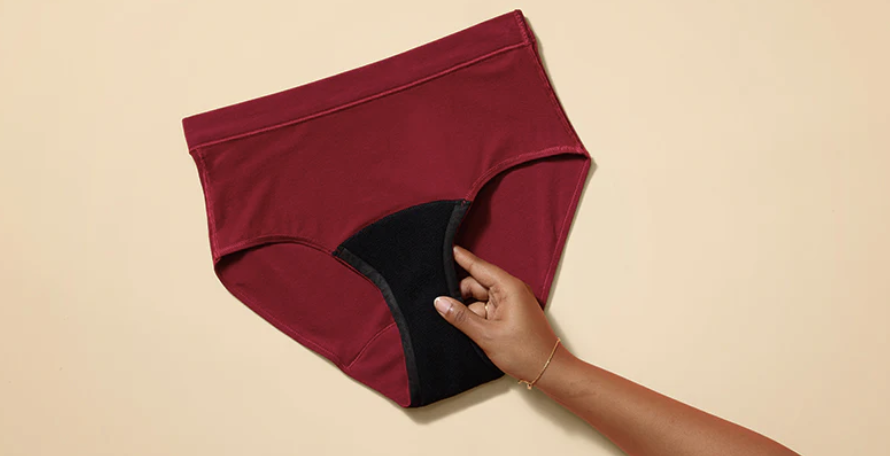
If you’re one of the women who can’t use a cup, there are still more eco-friendly, lower-toxin options than disposable pads and tampons. Some period underwear brands, like Thinx or Diva Underwear, can work well. I’m not 100% sold on them, though, because there’s the potential for certain compounds to be absorbed, which can be irritating for such a sensitive area (especially if you tend to have heavier flows).
And truthfully? Cups also come with a learning curve and a maintenance routine — rinsing, cleaning, boiling — that can feel like a lot for busy women or anyone who just isn’t in the mood for extra steps during their cycle. Sometimes those logistics just don’t match your office bathroom, shared kitchen situation, or the reality of your daily routine. That doesn’t make you “less committed” or “not eco enough.” It makes you human!
You’ve got to know your options and choose what works best for your life, your body, and your schedule. For me personally, cups still sit at the top of the list — but only if they fit your anatomy, lifestyle, and comfort level.
Organic Pads: Simple, Accessible, and SO Much Better Than Traditional Ones
If cups aren’t for you, or if you want backup for cup days, organic pads are the easiest upgrade you can make.
Look for:
100% organic cotton
chlorine-free
fragrance-free
no gel absorbents
Why should I choose a menstrual pad that’s organic?
Most conventional pads contain synthetic fibers, plastic, adhesives, bleaches…you name it. And since your vulva is extremely absorbent, this is one of those high-impact swaps.
And yes — the organic ones work just as well. No, you don’t have to “change them more” like people on TikTok claim.
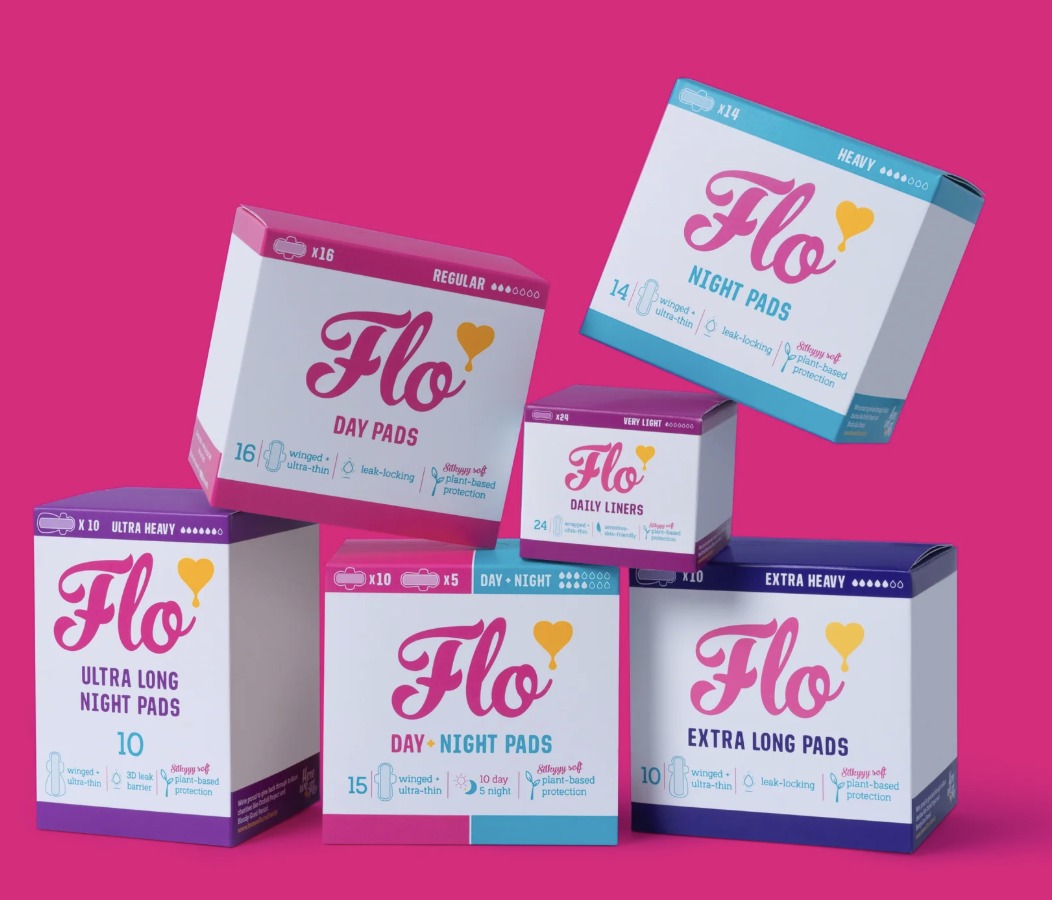
Lola, Nastracare and Here We Flo are great non-toxic menstrual product brands to swap to if you’re looking for cleaner, hormone-friendly period care.
Period Underwear 101: Safe Materials, Toxic Risks & Better Options
Let’s circle back to this option.
I wish all period underwear brands were clean. I really do.
But here’s the reality:
The good:
Some brands actually perform well, wash well, and use mostly natural fibers in contact with your skin.
The not-so-good:
A lot of period underwear contains:
PFAS (forever chemicals)
synthetic blends that hold on to bacteria
fibers that trap odors
dyes that irritate
Lots of brands market themselves as “non-toxic,” but independent testing doesn’t always back that up. Before buying period underwear online or at the drugstore, look for:
• Verified PFAS-free testing
• Transparent material lists (no mystery blends)
• OEKO-TEX or GOTS certifications
• Clear details about the absorbent layer (where PFAS often hide)
If a brand won’t tell you what’s in their product, that’s your sign to skip it.
What the 80/20 Rule Actually Looks Like for Your Period
If you’re transitioning from conventional menstrual products to cleaner, low-toxin options, the 80/20 rule isn’t just about “being flexible.” It’s about creating a plan that feels doable, supports your body, and reduces overwhelm.

Here’s how to transition to Clean, Low-Toxin Menstrual Products (No Stress, No Overwhelm, No BS)
✔️ 1. Use your cleanest products on your heaviest days.
This is when absorption is highest, so making a cleaner choice (like an organic tampon, certified-safe period underwear, or a menstrual cup if you tolerate it) gives you the biggest health return.
✔️ 2. Use period underwear strategically.
Think: lighter days, overnight, or as backup for early-cycle spotting. It’s not all-or-nothing — it’s about using each tool where it works best for your cycle.
✔️ 3. Prioritize brands that disclose ingredients and PFAS testing.
Many brands market themselves as “clean” while still using synthetic absorbent layers or foam treatments. Look for transparency, third-party testing, and clear materials lists.
You deserve honesty — not greenwashed marketing.
✔️ 4. Transition gradually, not all at once.
If you’re moving from traditional pads or tampons to clean menstrual products, start your transition on days when you’re home, relaxed, or working remotely.
In other words: Give yourself room to adapt before expecting yourself to use new products everywhere.
Start adapting on low-pressure days — like a Sunday at home, during a chill evening, or while working from home. Once you get comfortable and build trust with your new products, you’ll naturally start using them everywhere. Your body (and the environment) will thank you.

✔️ 5. Expect a learning curve… and that’s normal.
Different products feel different. Your body might need 1–3 cycles to adjust. That’s okay!
✔️ 6. Track your cycle while you transition
Cleaner products can sometimes make you more aware of flow patterns, sensitivities, or discharge changes. That’s a good thing — it helps you be tuned in with yourself and find out what option works best on each type of day.
Quick note: If you’re not already tracking your cycle, start now. Your menstrual cycle is a key indicator of your health. The more data you have, the easier it is to choose products that actually support your body!

Are Your Period Products Messing With Your Hormones? Here’s What the Research Says
Better menstrual products equal lower lifetime exposure to endocrine disruptors. Studies have found that many common pads, tampons, and liners contain phthalates, parabens, dioxins, and other hormone-disrupting chemicals — and because vaginal/vulvar tissue is highly permeable, these substances can be absorbed directly into the body.
Endocrine disruptors have been linked in the literature to menstrual irregularities, hormonal imbalance, inflammation, reproductive issues, and other symptoms many of us know too well — PMS, heavy or painful periods, mood swings, hormone fluctuations, and more.
I’m not promising miracles, but reducing chronic exposure matters. Over thousands of cycles, safer product choices can reduce the cumulative chemical burden, giving your hormones a chance to regulate more cleanly and your body a gentler environment to heal and thrive.
The Bottom Line
You don’t need to overhaul your whole life — you just need to upgrade the things you use over and over again.
Because that’s where exposure adds up… and where your health actually shifts.
You also don’t need to be perfect.
And you definitely don’t need to fall for every “clean” boutique brand on Instagram (some of which still test high in PFAS or plasticizers). What you do need is clarity, consistency, and products that respect your biology.
Here’s the real win:
When you reduce the chemicals your body absorbs every single month, your hormones get a quieter environment to do what they’re designed to do — ovulate regularly, regulate smoothly, produce balanced progesterone, and keep inflammation in check.
Small, sustainable swaps → lower toxic load → calmer hormones.
That’s the 80/20 rule, menstrual edition.
And the best part?
You’ll feel the difference long before your Amazon cart ever does.
