
Why Vacation Food Doesn’t “Hit” the Same: The Stress-Hormone Reason You Feel Fine on Holiday… and Crappy at Home
Let’s talk about something women whisper about but never actually unpack:
Why can you eat gelato, crispy fries, pasta carbonara, and other “fun food” on vacation and feel totally fine…
But eat the exact same thing at home, and suddenly you’re bloated, puffy, anxious, breaking out, or in a food coma?
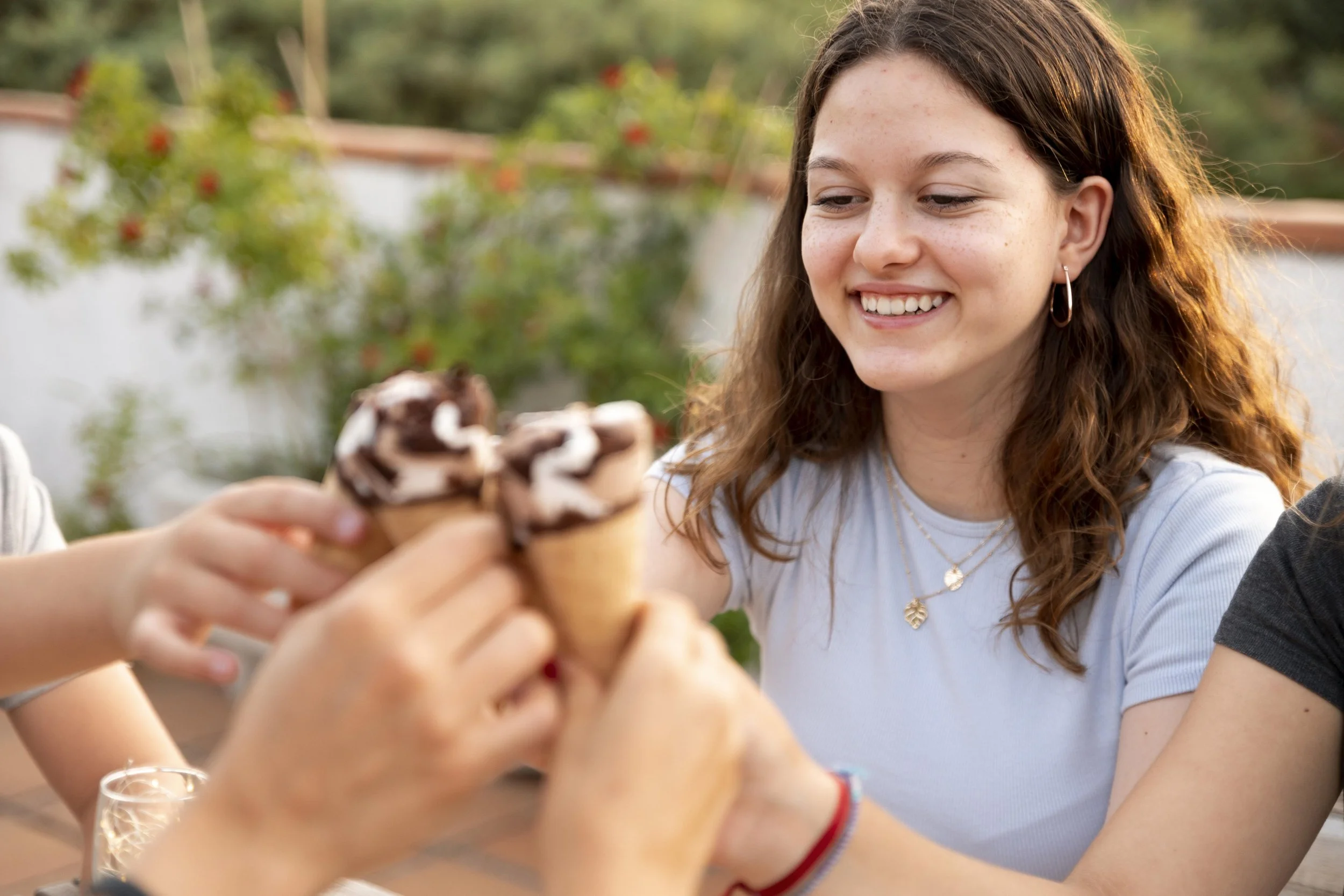
Spoiler: It’s not because Italian gluten is magically blessed (although… maybe? But that’s a topic for another blog). It’s not because “vacation calories don’t count” (we wish). It’s not because you have a weak stomach or “can’t tolerate anything anymore.”
The real reason?
Stress changes your biology more than food ever will.
And on vacation, your stress chemistry finally gets out of the driver’s seat — which means you can actually digest the food you’re eating.
Let’s break this down in a way the wellness world doesn’t talk about enough.
Your Biology Isn’t “Broken” — It’s Doing What It Was Designed to Do
Let’s zoom out for a second and look at this from an ancestral, evolutionary lens.
Your nervous system evolved in a world where:
safety = relaxed digestion
danger = shut it all down and run
Back then, you couldn’t digest a meal while running from a predator. Your body had to choose: survival or digestion.

Fast-forward to today?
You’re not being chased by a bear. You’re being chased by:
deadlines
crying toddler
too many tabs open
financial stress
burnout
unrealistic expectations
chronic sleep debt
seasonal family drama
the “never enough time” spiral
Your brain treats all of that as a threat.
So even when the food isn’t “bad,” your biology isn’t primed to receive it because your nervous system is stuck in fight-or-flight instead of rest-and-digest.

That one shift alone changes:
How much acid you produce
How well you break down fats
How quickly your stomach empties
How tolerant your gut lining is
How sugar affects you
how reactive your immune system becomes
whether your mitochondria produce energy or inflammation
Which means you can have a completely different experience eating the same food depending on your ‘stress’ chemistry.
Why Vacation Food Feels “Safer” to Your Body
On vacation, your shoulders drop, your breath deepens, you’re not multitasking, you’re present, your cortisol curve flattens, and your vagus nerve wakes up. Why?
Because you’re finally living in parasympathetic mode (rest-and-digest).
This flips on digestion like a light switch.
Your stomach acid increases. Your enzymes increase. Your gut motility becomes smoother. Your body literally goes: “Oh… we’re safe. We can digest now.”
That safety is the missing ingredient in your regular, day-to-day routine.
So… What Can You Actually Do?
Now that you know this isn’t “all in your head” — it’s your real, biological, ancestral stress response doing its job — let’s talk about what you can do next.
Here’s a functional-medicine, busy-women approved strategy to help you bring that “vacation digestion” home… so your body can feel safe, regulated, and able to handle food the same way it does when you're away, rested, and happy.

Switch Out of Fight-or-Flight Before You Eat
(Your digestion won’t work until you do.)
When you’re stressed, running around, or doom-scrolling between bites, your nervous system is in sympathetic mode — the same ancestral “run from the tiger” state.
And here’s the kicker: Your body literally shuts down digestion in this state.
That means:
– low stomach acid
– slow motility
– poor enzyme release
– higher inflammation
– blood sugar spikes
– bloating and cramping. The classic “I feel awful” after every meal.
Action step (60 seconds):
Before your first bite, do the 4-6 breath — inhale 4 seconds, exhale 6 seconds — 5 times.
Yes, it works. Yes, it’s fast. Yes, it’s science (just don’t rush the breathing, I know it’s tempting once you hit the third or fourth cycle…but stay steady - your gut will thank you)!
Eat Like a Human, Not a Fire Alarm
Most women don’t realize this:
When you sit down to eat over-hungry, your cortisol is already cranked up. Your body is in “emergency mode,” not “rest-and-digest mode.” And when you combine that with a consistently high-stress routine, it becomes a perfect storm for your nervous system.
Then the pattern hits:
You eat something carb-heavy
Blood sugar spikes
Insulin surges
Cortisol jumps again
Digestion tanks
You feel bloated, shaky, inflamed, or emotionally off
Not because the food was “bad.” Because your nervous system was in danger mode before the first bite. This is the cycle we're breaking.
Action step:
For the next week, don’t go more than 4 hours without eating something with protein.
This doesn’t just mean “eat constantly.” It means stop leaving your biology in starvation mode.
Snack examples:
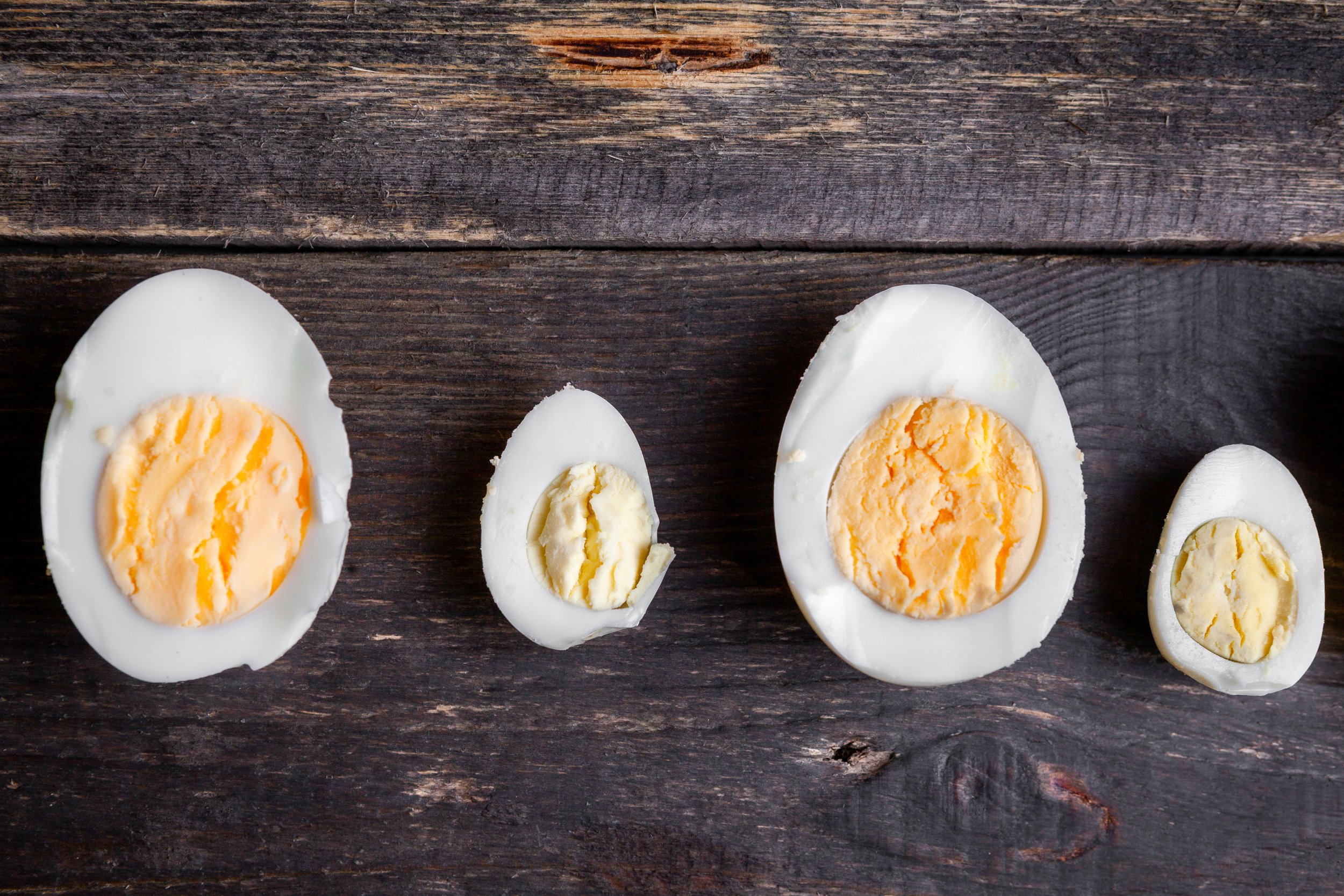
– boiled eggs
– Greek yogurt
– turkey slices
– protein smoothie
– nuts + fruit
Support Your Mitochondria (Your Stress-Resilience Engines)
You digest better on vacation because your mitochondria — the tiny engines that run your metabolism, hormones, and digestion — finally get to operate without being under siege.
When you’re sleeping in, laughing, spending time in sunlight, and actually connecting with people you love, your cells produce cleaner energy, generate less inflammation, and keep your blood sugar far more stable.

That combination makes your body dramatically more tolerant to foods that would normally feel “too heavy” at home. Relaxed you has stronger mitochondria… and stronger mitochondria mean a calmer gut, steadier metabolism, and way fewer food reactions.
Action steps anyone can do:
– Get 10 minutes of morning light tomorrow
– Go for a 10–20 minute walk after your heaviest meal
– Add magnesium glycinate at night
– Drink electrolytes in the morning (I love LMNT!)
These increase vagal tone, metabolic resilience, and gut motility.
Add Pleasure To Your Plate, Not Panic
Your mindset literally changes your digestive hormones.
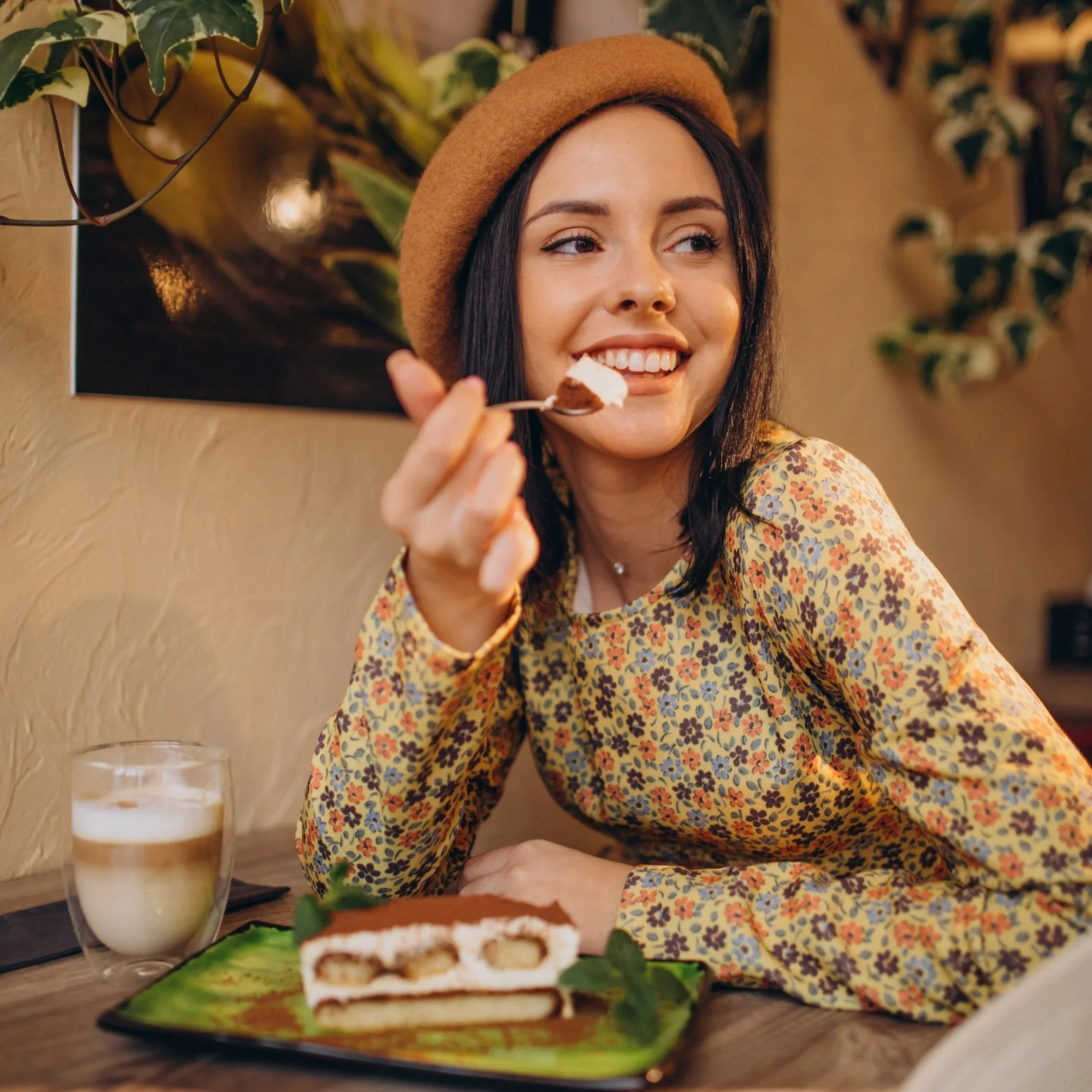
When you enjoy your food:
→ oxytocin rises
→ vagus nerve activates
→ stomach acid increases
→ motility improves
→ inflammation drops
→ insulin response stabilizes
When you panic about your food:
→ cortisol spikes
→ digestion shuts down
→ blood sugar rises
→ everything feels worse
This is why the same meal on a beach tastes like heaven… but feels like a crime scene in your own kitchen.
Action step:
For one meal per day, put your fork down between bites and actually enjoy the first 10 bites.
Feel the texture, the temperature, the taste. That’s it. Watch what happens.
Now… here’s the deeper truth most women never hear:
On vacation, you're not turning to food for pleasure — because you're already getting it.
You’re resting. You’re laughing. You’re playing. You’re connecting. Your brain is lit up with oxytocin, dopamine, serotonin… So you’re not asking food to deliver those feelings for you.
At home? We may use food to fill all the gaps: stress gaps, loneliness gaps, overwork gaps, exhaustion gaps.
Food isn’t the problem — the absence of pleasure in the rest of your life is.
And one more crucial distinction:
SATISFACTION ≠ SATIETY
Women mix these up constantly.
Satiety = your stomach is physically full.
Satisfaction = your brain and nervous system feel emotionally complete.
You can be completely full and still feel like you need dessert because you aren’t satisfied.
You can be less physically full on vacation but feel totally done eating because your nervous system is fed by connection, joy, safety, sunlight, and laughter.
What to do:
Start engineering satisfaction into your day so you’re not relying on food to create it.
Small things count: music while cooking, a warm drink in a real mug, a walk with sunlight, and texting someone who makes you laugh.
Feed your nervous system, and your cravings soften naturally — no willpower required.
The Real Bottom Line: It Was Never Just the Food
If there’s one thing I want you to walk away with, it’s this:
Your body isn’t “overreacting.” It’s protecting you.
Your bloating, cravings, sensitivities, fatigue, or mood swings at home aren’t proof that you’re broken — they’re signs that your stress physiology is running the show. When your nervous system feels safe, supported, and regulated (the same way it does on vacation), your digestion, hormones, metabolism, and gut health all shift into a completely different gear.
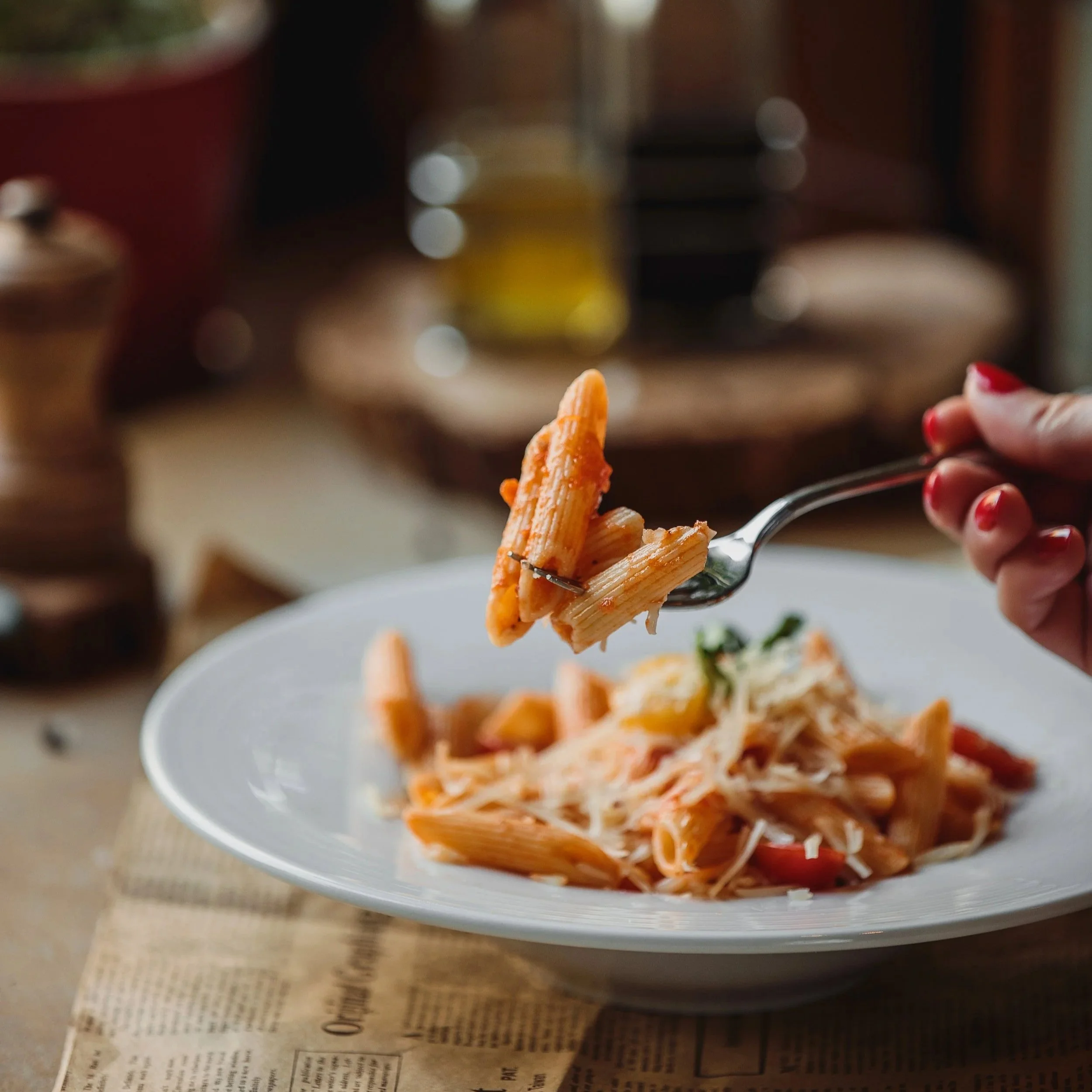
This is why the same bowl of pasta can feel dreamy on the Amalfi Coast… and disastrous in your kitchen.
Here’s the empowering part — and the part most women never hear:
You don’t need a vacation to feel like this. You need a regulated nervous system. It may be challenging, but it’s possible (and I’m here to navigate this with you!)
You can create micro-moments of “vacation physiology” every single day:
a 60-second breath before meals
eating before you’re starving instead of firefighting
sunlight on your face
laughing with someone you actually like
a slow bite instead of a frantic one
a little pleasure outside of food
These small signals tell your brain, “We’re safe.”
And when your brain feels safe, your digestion, blood sugar, inflammation, hormones, and metabolism finally calm down.

Your Next Step: Bring Vacation Physiology Home
Your body isn’t dramatic.
She’s protective.
And she’s doing her best with the environment you’re in.
Before your next meal today, try one thing from this article — just one — and notice what shifts.
Food was never the enemy.
The enemy was the pace, the pressure, and the survival mode.
Create pockets of safety in your day.
Give your nervous system one signal at a time that you’re not being chased anymore.
Watch your digestion come back online like someone turned the lights back on.
Because the real secret isn’t eating perfectly…
It’s living in a way your biology recognizes as safe.
