How Food Shapes Your Estrogen (and How to Use It Wisely)
Estrogen gets a bad reputation. It’s as if Gemini were a hormone.
Too high? You feel puffy, moody, heavy, irritable.
Too low? You feel flat, anxious, dry, tired, unmotivated.
But here’s the truth most women don’t hear enough:
Estrogen isn’t the problem… your ability to metabolize it is.
And there’s another piece of the puzzle that often gets missed: estrogen doesn’t work alone. Many women are told they have “high estrogen” or “estrogen dominance,” when what’s really happening is low or insufficient progesterone. When progesterone drops, estrogen’s effects feel louder — and estrogen ends up taking the blame.
For this article, we’re focusing on estrogen metabolism specifically. But it’s important to know that progesterone is a key partner here. Hormone balance isn’t about one hormone being “good” or “bad” — it’s about how they work together!
And your metabolism of estrogen is influenced massively by what you eat, how you detox, and how many xenoestrogens (“fake estrogens”) your body is quietly battling.
Let’s break it down in a real-world way you can actually apply — without fear-mongering, biohacking theatrics, or 500-supplement shopping lists.
What Actually Throws Estrogen Off? (It’s Not What Most Women Think)
You don’t wake up one day “estrogen dominant.”
It happens slowly, and from the combination of three forces, most women never connect:
Xenoestrogens you’re exposed to daily
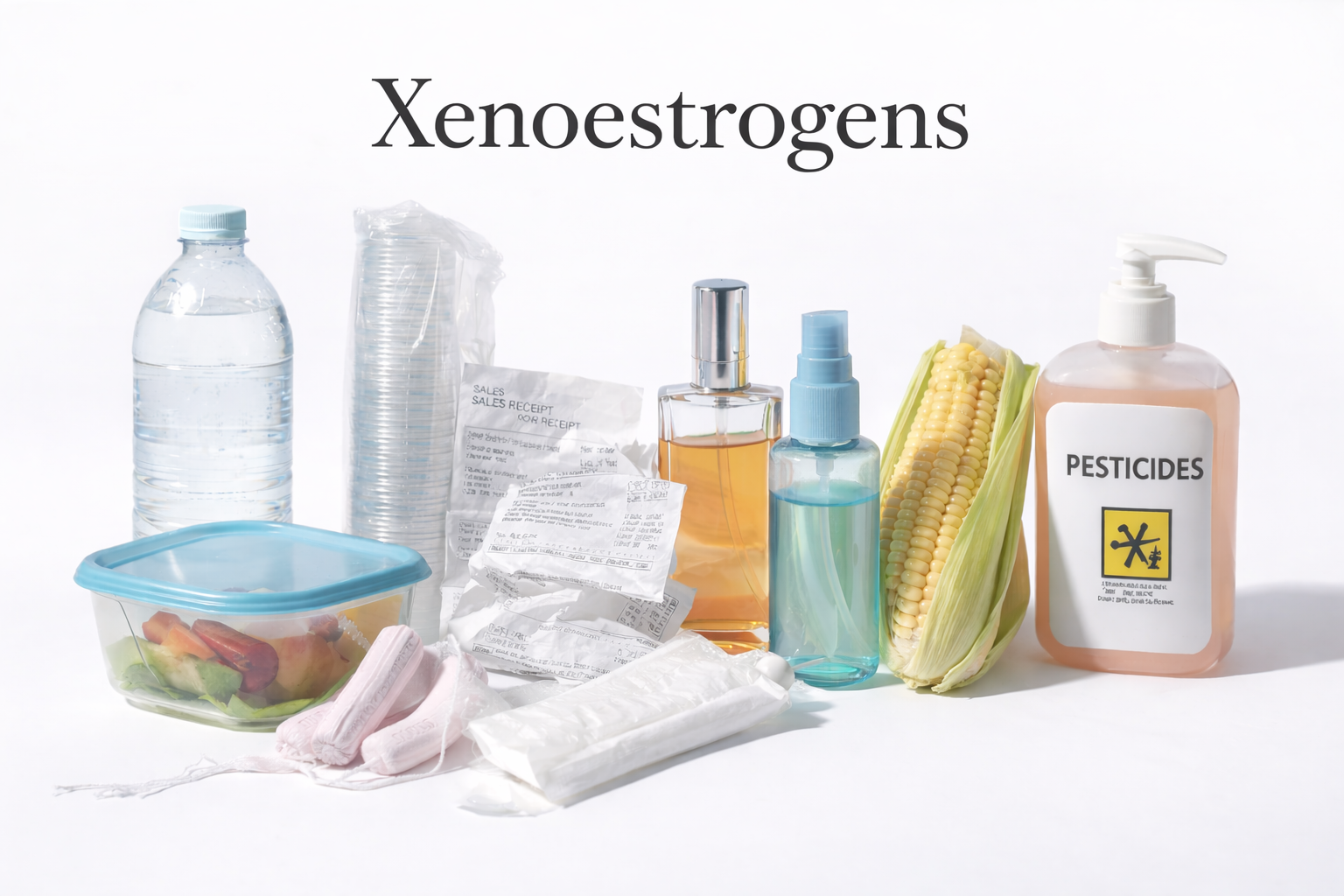
These are estrogen-mimicking chemicals hiding in plastics, receipts, fragrances, pesticides, and even some period products.
Your body has to compete with these molecules, and they’re far stronger than our natural estrogen.
An overwhelmed liver
When your liver is busy dealing with alcohol, stress hormones, and environmental toxins, it can’t metabolize estrogen effectively.
Your liver doesn’t need a juice cleanse. It needs capacity, nutrients, and fewer roadblocks.
A gut that can’t eliminate what your liver worked so hard to process
When your gut is slow, inflamed, or low in healthy bacteria, the estrogen your liver already detoxed gets reabsorbed — and that’s when symptoms show up. Think bloating before your period, mood swings that feel out of proportion, heavier bleeds, breast tenderness, jawline breakouts, or that “puffy for no reason” feeling.
Food matters. What you eat directly affects motility, microbial balance, and your ability to actually eliminate estrogen.
This is where most women get blindsided — because estrogen can be perfectly metabolized in the liver and still cause symptoms if your gut can’t finish the job.
Now let’s talk about how to support each system without turning your life into a part-time wellness retreat.
The Estrogen-Supporting Foods Every Woman Should Know About
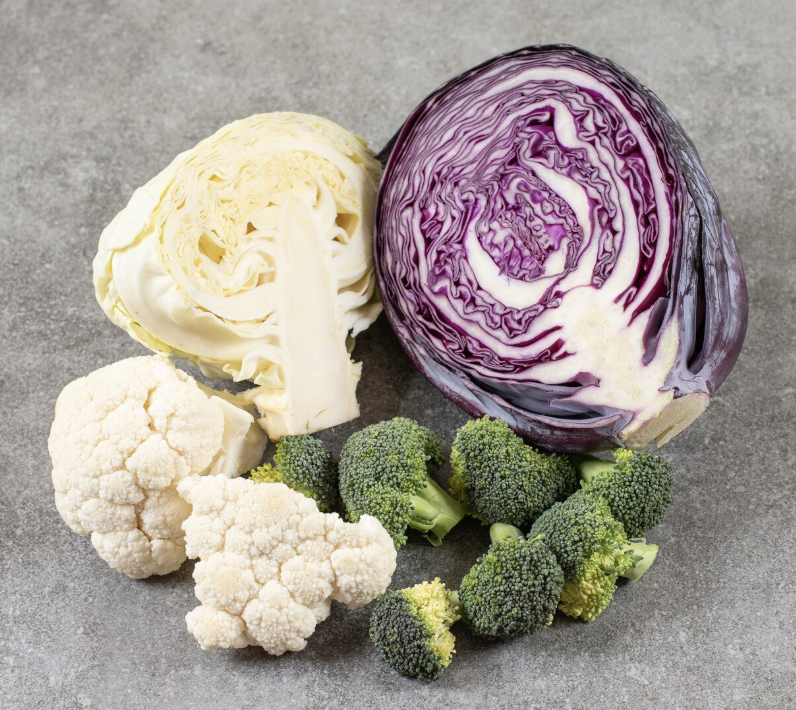
1. Cruciferous Vegetables — your Phase 1 & Phase 2 estrogen metabolizers
What they actually do
Crucifers (broccoli, kale, Brussels sprouts) help your liver choose the “safe” estrogen pathways instead of the inflammatory ones.
Think of them as rerouting estrogen into the exit lane.
Why this matters
Women with PMS, heavy periods, mood swings, or fibroids often have imbalanced estrogen metabolism, not “too much estrogen.”
Easy ways to include them
Add ½–1 cup to lunch OR dinner.
Steam or sauté — raw crucifers can bloat sensitive guts.
Blend cooked cauliflower into mashed potatoes or soups if you hate the taste.
Tip: Smart seasoning is a game-changer. Now, you may ask… What spices go well with cauliflower? Think paprika, garlic powder, onion powder, chili powder, and cumin.
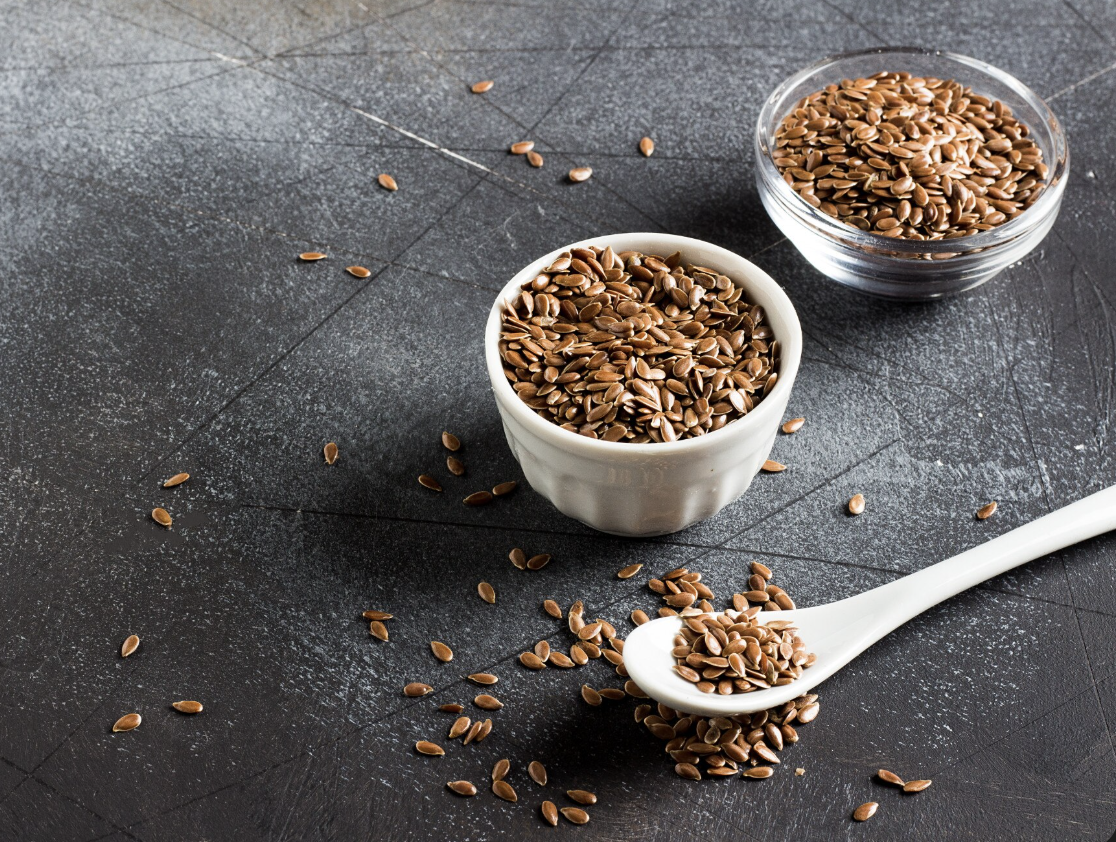
2. Flaxseed — versatile and effective
Flax is one of the few foods that actually modulates estrogen — it doesn’t push it up or down; it balances the entire system.
What makes it special: lignans.
They bind excess estrogen, support the gut, and improve estrogen clearance.
Who benefits most:
Women with PMS, period pain, perimenopause symptoms, hormonal acne, and breast tenderness.
How to use it:
1 tablespoon of freshly ground flax in yogurt, oatmeal, or smoothies. (Skip the pre-ground stuff — the nutrients oxidize fast.)
Most women are shocked at how quickly this one small change shifts PMS, skin, and cycle symptoms.
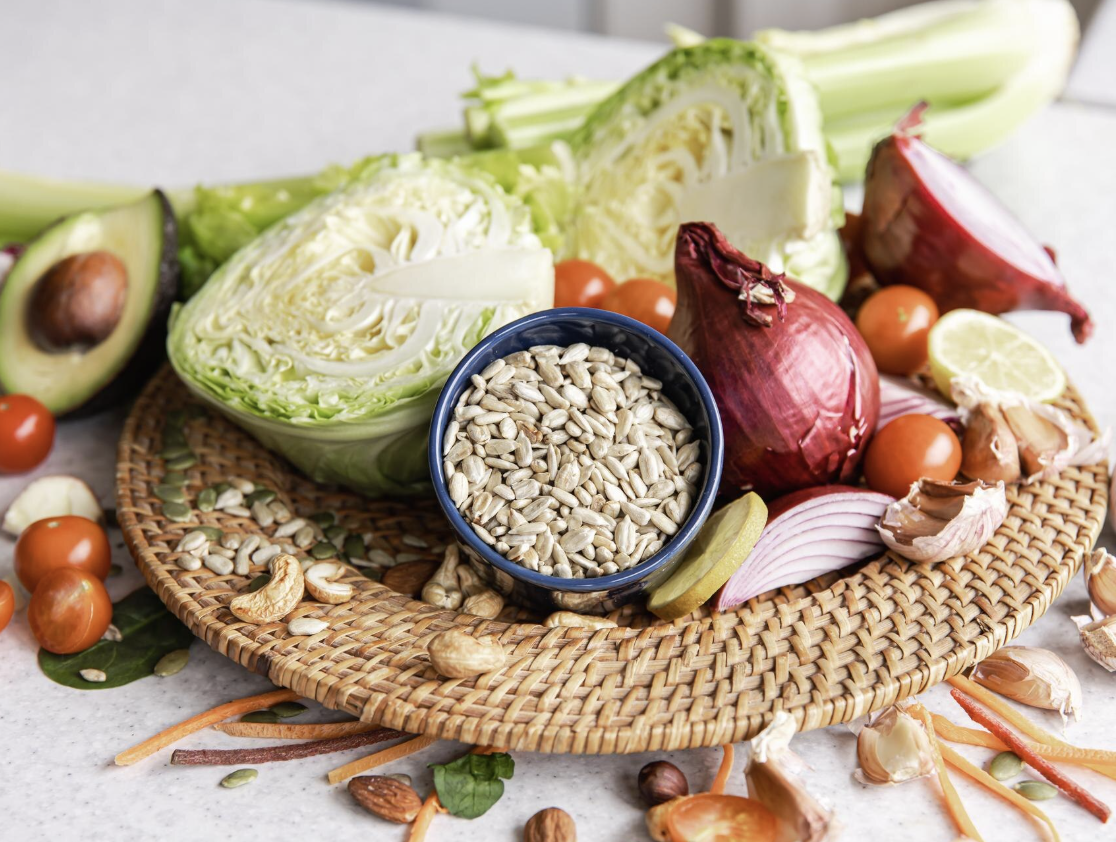
3. Fiber — the estrogen exit strategy
This is less about “eat more veggies” and more about the final step most women skip:
If you’re not eliminating daily, estrogen doesn’t leave.
It gets reabsorbed and re-enters circulation.
This is the root of estrogen dominance.
More fiber = healthier estrogen metabolism.
Think of:
• chia pudding or a cup of berries as smart snacks
• lentil soup as an entree
• roasted veggies with dinner
Aiming for 25–30 grams per day is ideal, but ramping up too quickly can lead to gas and discomfort. If your fiber intake is currently very low, start small — around 5 grams per day — and build gradually so your gut can adapt without rebellion.
Fiber isn’t sexy, but it’s the difference between estrogen leaving your body or looping back and wreaking havoc.
4. Liver-Supporting Foods—Estrogen Metabolism’s backstage crew
Your liver has two estrogen jobs:
Break it down
Package it for elimination
These foods improve those pathways:
Leafy greens help with methylation
Garlic and onions help sulfur pathways (avoid if you’re on a low FODMAP diet)
Turmeric reduces inflammation during detox
Lemons and beets support bile flow, which is essential for estrogen clearance
Try adding one of these a day. One! That’s enough.
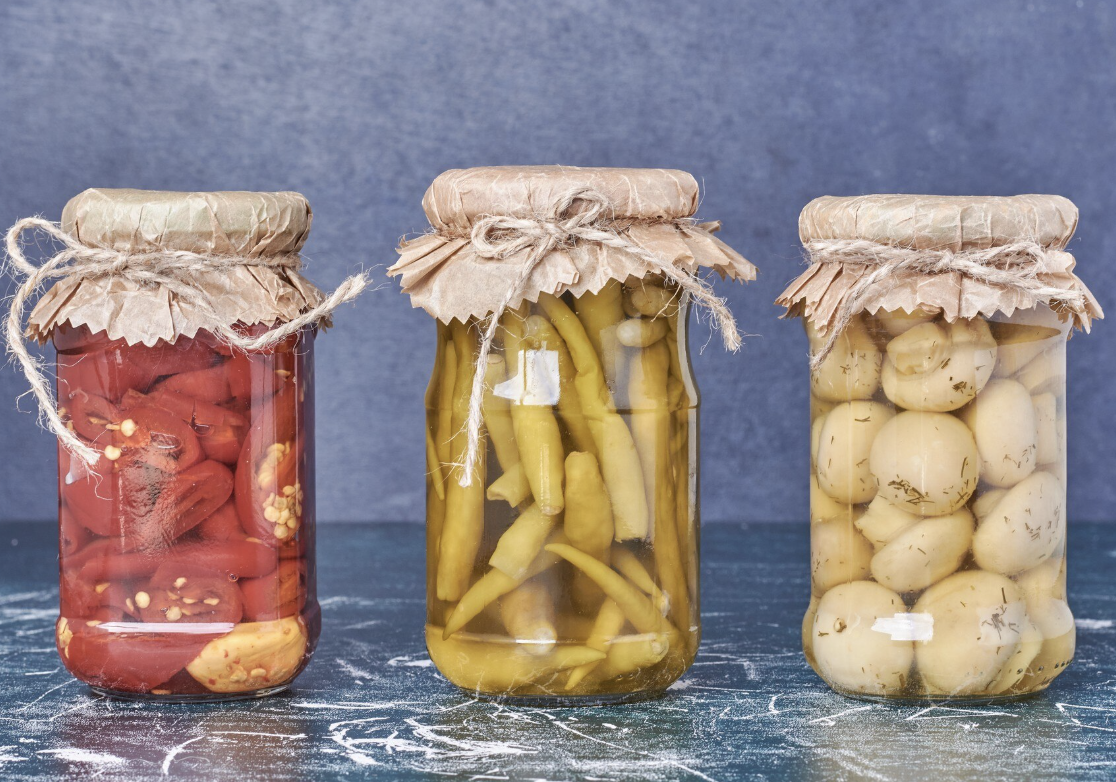
5. Fermented Foods — The estrobolome support system
The estrobolome is the gut bacteria that regulate estrogen levels. When this system is imbalanced, estrogen gets recirculated even if your liver is doing everything right.
Fermented foods like yogurt, sauerkraut, kimchi, kefir, and miso help nourish the bacteria that prevent estrogen from being reabsorbed.
This is why gut health IS hormone health.
6. Clean Protein & Healthy Fats — the building blocks for stable hormones
You can’t balance hormones on salads alone — your ovaries need raw materials.
Your liver can’t detox estrogen without amino acids. Your ovaries can’t produce hormones without dietary fat. Your gut lining can’t stay strong without both.
So when women undereat protein or avoid fat to “eat clean,” estrogen metabolism suffers.
Think:
Salmon → supports cell membranes
Eggs → provide choline for methylation
Organic poultry → supports detox enzymes
Avocado and olive oil → nourish hormone receptor function
Organ meats (like liver) → packed with B vitamins, iron, and nutrients that support methylation and healthy estrogen metabolism
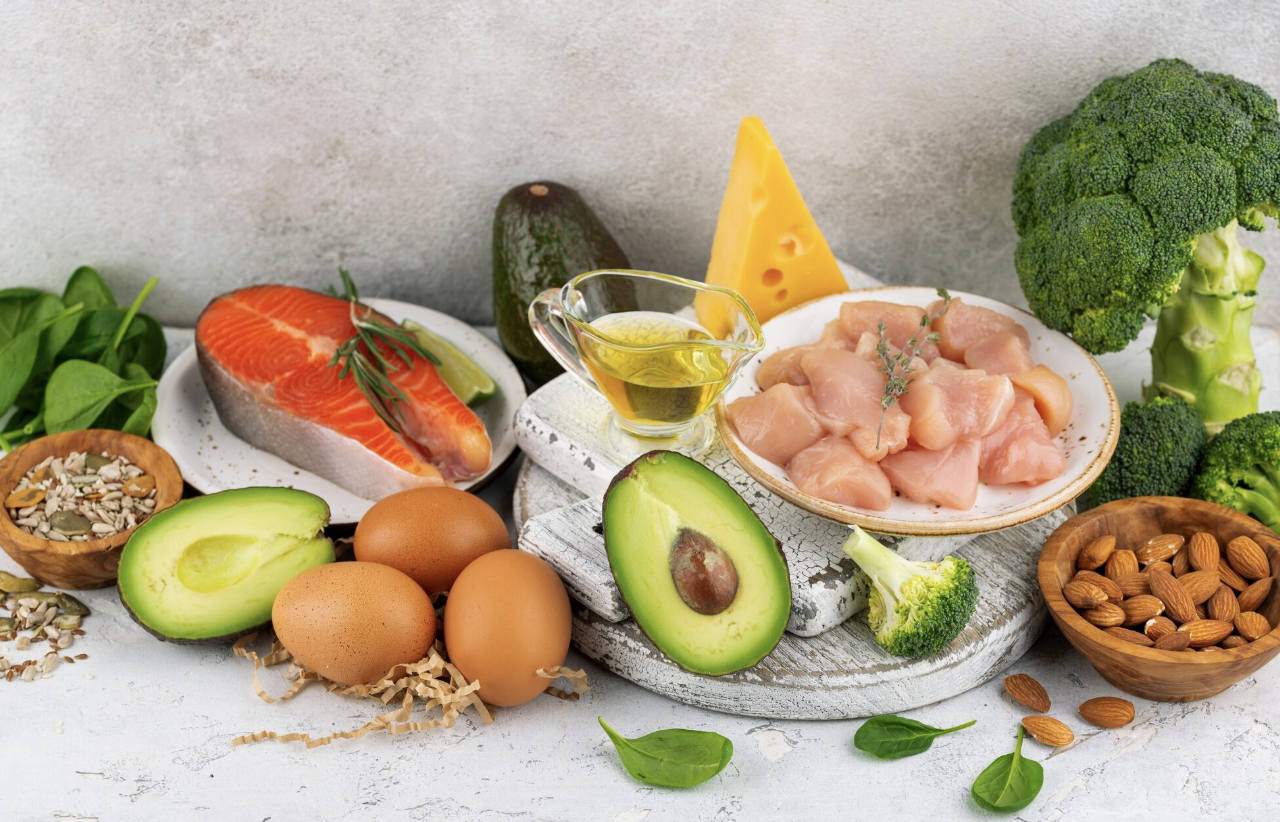
And please don’t fear cholesterol. Your body uses it to make sex hormones, including estrogen and progesterone — it’s not the villain you were taught it was.
Foods That Quietly Mess With Your Estrogen (and What to Choose Instead)
Some foods support healthy estrogen… and others make your hormones work overtime. Let’s talk about the sneaky culprits — and what to choose instead so your cycle feels more predictable and your body more at ease.
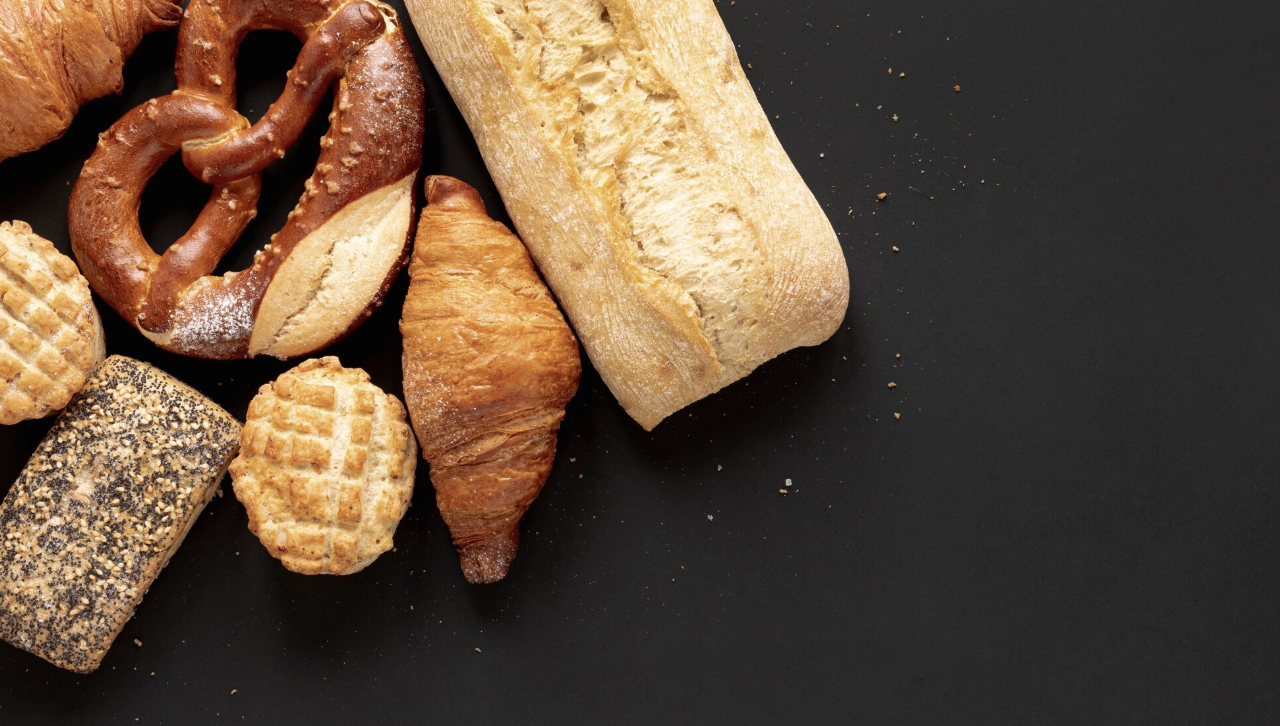
1. Ultra-Processed Snacks & Baked Goods
Sugar bombs aren’t exactly subtle — but what is quiet (and often overlooked) is everything that comes packaged with them. Most ultra-processed sweets also carry emulsifiers, inflammatory oils, and preservatives that irritate your gut lining. And when your gut barrier is compromised, estrogen gets reabsorbed instead of eliminated. That’s when the PMS, bloating, breast tenderness, and mood swings start to crank up.
Better choices? Reach for whole-food treats like dark chocolate, berries with cream, homemade energy bites, or simple almond-flour cookies.
And remember the 80/20 rule: when your symptoms flare, lowering your inflammatory load — even briefly — can help your body settle and reset much faster.
2. Conventionally Raised Meat and Dairy
These foods tend to carry higher levels of hormones and endocrine-disrupting compounds from feed, plastics, and processing. Over time, this can overwhelm your detox pathways and contribute to estrogen dominance.
Better choices:
Grass-fed beef, organic poultry, pasture-raised eggs, and organic or fermented dairy if you tolerate it. You get more nutrients, fewer contaminants, and better fatty acids for hormone production.
3. Plastics in Contact With Hot Foods
This isn’t technically “a food,” but it acts kind of like one once heated. Plastic containers, takeout packaging, and microwavable trays can release BPA, phthalates, and other xenoestrogens — chemicals that mimic estrogen in the body.
These exposures are tiny, yes — but daily, repetitive, sneaky.
And hormones respond to cumulative load.
Better choices:
Glass, ceramic, stainless steel, silicone (not heated).
And no, you don’t need to throw away your entire kitchen. You can start by just stopping microwaving in plastic.
4. Excess Alcohol (Especially Wine)
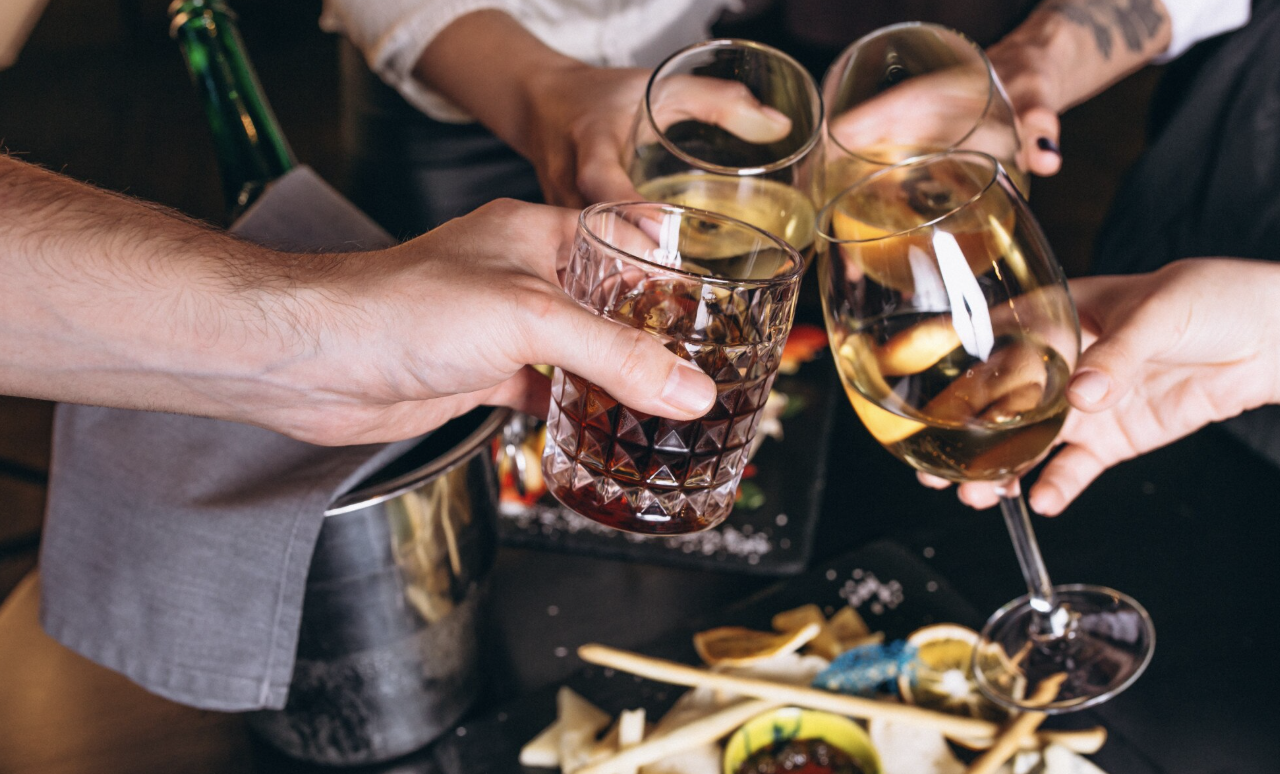
Alcohol slows estrogen detox in the liver, inflames the gut, and raises cortisol — a triple hit to hormonal balance. Women often notice symptoms after just a few consecutive nights: breast tenderness, mood swings, next-day anxiety, and heavier bleeding.
Think of alcohol as estrogen’s impatient coworker — it always jumps the line and demands the liver’s attention first.
My best advice? Skip alcohol when you can — it truly offers zero benefits for women’s hormones. BUT I also know that hearing “just don’t drink” can feel like a very hard pill to swallow (and honestly, unrealistic for most women).
So here are better choices that support your estrogen pathways without sabotaging your cycle:
Lower-sugar options like tequila, vodka, or a dry wine — and build in alcohol-free days so your liver can actually catch up.
And even better? Rotate in sparkling water with lime, electrolytes, or a mocktail you genuinely enjoy. Your liver, your skin, and your entire cycle will thank you for the extra love.
5. Soy in Its Highly-Processed Forms
Tofu isn’t the issue (although I prefer tempeh). Edamame isn’t either.
What your hormones struggle with are concentrated soy isolates in fake meats, protein powders, bars, and “health snacks.” They can overstimulate estrogen receptors and worsen symptoms for women already struggling with an imbalance.
Better choices:
Whole-food forms of soy (tempeh, miso, tofu) — or switch to pea, hemp, or collagen protein powders if you’re sensitive to soy.
So… does this mean you need to “eat clean” 24/7?
Absolutely not.
But it does mean that estrogen responds directly to your daily patterns, not one-off meals.
That’s why the 80/20 principle works so well here:
80% of the time, choose foods that keep your gut happy, your liver clear, and your hormones moving smoothly.
20% of the time, leave room for fun foods and unexpected moments.
Your estrogen doesn’t need a perfect diet to be balanced.
She needs consistency, physiology-friendly choices, and less of the sneaky disruptors that burden her the most.
Estrogen gets blamed a lot — but sometimes progesterone is the quiet missing partner. If you’re unsure what’s actually going on, a consult can help you connect the dots. Book a consult HERE.
Bottom line: these are always a win. High estrogen, low progesterone, or somewhere in between… these habits support your hormones across the board.

Want more practical, women’s-hormone content like this?
Follow me on Instagram @navigatemywellness — I teach you how to understand your body, support your hormones, and feel aligned instead of overwhelmed. More tools, more resources, more “ohhh, that finally makes sense’ moments.”